

The first cool morning of the year always catches me the same way: I’m already in my work clothes, coffee going cold on the desk, and I realize I haven’t actually planned September at all. My oldest starts first grade on Monday, and suddenly the long lazy days are officially over. Every August I make the same promise to myself — no grand September reset this year. Every August I break it.

So this year I’m trying something different. Not a whole new identity, not a 21-day glow-up. Just four small shifts, picked because they actually match what’s happening to your body when the daylight starts pulling back. Here’s what I’m doing, and why I think it’s worth your time.
Why You’re Tired (And It’s Not Lazy)
Shorter days aren’t just a mood. The drop in morning light shifts your circadian rhythm — the internal clock that decides when you wake up and when you wind down. If you want the science, the Sleep Foundation’s breakdown of your circadian rhythm is a good, readable place to start. Darker mornings make it harder to feel alert, which makes hitting snooze a lot more tempting. Then you lose the evening walk you took all summer, school-year responsibilities pile back in, and suddenly low energy in September feels personal. It isn’t. It’s seasonal. The good news: the same clock that’s working against you is also the one you can work with. The four sections below are all built around that.
Energy: Win the First Hour
Getting outside within the first hour of the day — even for 5–10 minutes — is the simplest lever I know. Morning light sets the timing of your melatonin release later that night, and the earlier you give your body that signal, the more of the day falls into place on its own. It also sets the tone before work or the kids take over.
Most mornings that means a slow walk around the block. This year it’s the porch version: coffee in one hand, a bowl of Greek yogurt with grain-free granola in the other, journaling while the light comes up. Pair it with a breakfast that has actual protein and fiber in it — what you eat in the first hour sets your energy for the whole morning.
If your mornings are genuinely rushed, a few minutes of outside light plus a protein-rich breakfast is the whole trick. You don’t need a smoothie and a meditation app. You need the signal and the food.
Sleep: Rebuild Your Rhythm
A consistent wake-up time does more for your sleep than any strict bedtime I’ve tried. It’s the baseline your body clock uses to reset everything else — you wake up, you get light, the rest of the day organizes around it. Pick one time. Hold it. Weekends included if you can manage it.
For evenings, I keep it unglamorous and practical:
- Dim the lamps; kill the harsh overhead light
- Phone plugged in somewhere other than the bedroom
- One thing I genuinely look forward to in the morning, so getting up stops feeling like a punishment
If you can only fix one thing on the sleep side, make it the wake-up time. The rest tends to follow.
Movement: Schedule It Like a Meeting
Regular movement helps regulate stress hormones and keeps your energy steady — which is exactly the kind of energy that’s hardest to find once the daylight starts working against you. I’ve learned the hard way that ambitious plans die by October. What survives is a short block on the calendar.
So I schedule mine the way I’d schedule a meeting I wouldn’t dare blow off — even if it’s only 10 minutes. Same slot, same day, no negotiating. It sounds almost too simple. It’s also the only version of “more exercise” I’ve actually kept through a full week of school drop-offs.
Nourishment: Let Structure Do the Work
I’m not here to count macros or sell you the latest diet. The framework I come back to in my work with clients is a simple one: protein + a fiber-rich carb + fat, spaced every 3–4 hours instead of grazing through the day. It changes hunger and energy more than any superfood I’ve tried.

Once the temps drop, lean into the season: warm, roasted, simmered meals feel more satisfying, which makes consistency easier without extra effort. My fall prep is deliberately small:
- One protein — animal or plant-based, tofu works great — meal-prepped to last 3–4 days
- A sheet tray of sweet potatoes or delicata squash for lunches and dinners
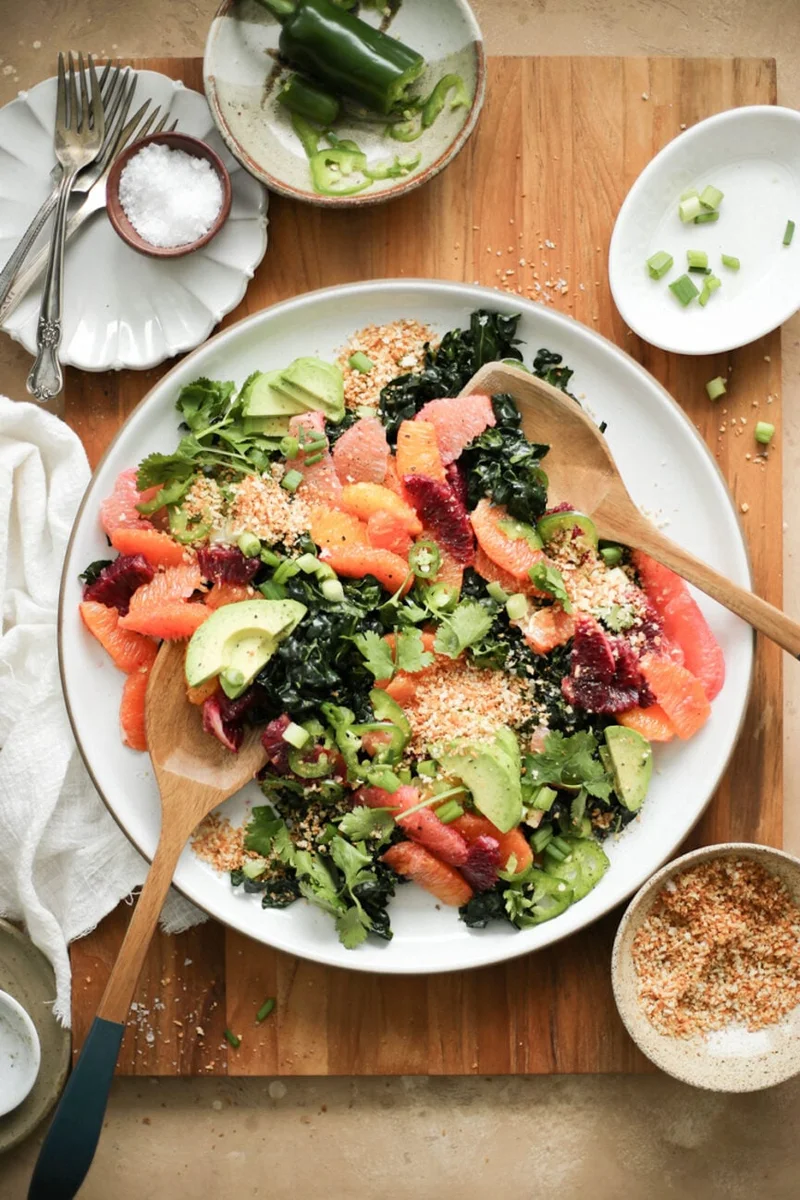
- A bunch of kale, chopped and massaged, ready in the fridge
Keep seasonings simple and the cooking easy — the air fryer does the heavy lifting. Bonus: these ingredients support both digestion and a calmer stress response, so the food is doing double duty.
Where to Start
You don’t need all of this at once. You don’t even need the exact routine you built last September. Pick the one section that speaks to you most and start there — done beats perfect.
One more thing I swear by: 10 minutes on a Sunday, before the week starts, glancing at what’s ahead so Wednesday doesn’t ambush you. Ask yourself one question only — what’s the smallest shift that would make this week feel more manageable? Write down one answer, not five. If everything feels urgent, energy and sleep are the two worth tackling first, because they make the other habits easier by default.
One habit only? Morning light within the first hour of the day. It’s free, it takes 5–10 minutes, it fixes the root of the tiredness, and it makes the other three sections easier to keep. That’s the one — done.
Worth it — if you keep it small. A full overhaul is a skip: too many changes at once, and by October you’re back to square one. The reset that lasts is the one that changes four things, not forty.
Frequently Asked
Do I need to wake up super early?
No. You need a wake-up time you can hold. A consistent early hour beats an abandoned 5am alarm.
Does this work if I work nights?
The light-and-meal-timing logic still applies — just anchor it to when your day actually starts, not when the sun does.
How long before I feel a difference?
Wake-time consistency tends to show up first, often within a week. Energy from the meal framework takes a little longer, but it’s the one that sticks.
a note from the editor
I’ve spent eight years on magazine desks writing about “the routine that changes your life”. The ones that actually changed my life were the ones small enough to keep. This fall, that’s all I’m aiming for — and so is this post.
Less shelf, more glow.
— Amelie