
It’s 2 in the morning, the kind of quiet where a phone on the nightstand sounds like a fire alarm. That’s how I learned that grief and clutter are cousins — and that the only way out of both is to start opening drawers.
Twenty years ago, my father died unexpectedly on the night we’d been visiting him. We drove home from a 70-mile trip, happy to come back the next week. My mom had gone into his bedroom to set up his bed for the night — he had ALS and was confined to a wheelchair — and when she came back out to the living room, she found him. The paramedics, who arrived within minutes of her 911 call, pronounced him dead there. Then the phone rang.
ALS is a cruel disease with no cure. I’d been mourning him for more than two years already, as he slowly lost the ability to walk, to swallow, even to sit upright. But no one is prepared for the sudden part. A slow death — and then, suddenly, not.
Here’s what I’ve come to believe about the mess that comes after: we don’t hoard because we love stuff. We hoard because it’s the last thing left that belongs to someone we love.
Why we cling
When we lose someone, our instinct is to hold on to every trace of them. Notes, pictures, clothes, collections, furniture. That’s all we have left, so we grip it hard. I’ve seen it in my own bathroom — the shelf of products from a year when someone else was still here, none of them used, all of them too painful to throw away.
It’s the same reason we keep everything the kids made, wore, or played with when they were little. You love the teenager in front of you, but the 3-year-old and the 10-year-old are gone. Children don’t stay who they are — they transform. And that old stuff is the only tangible proof of a 7-year-old’s gap-toothed grin.
Decluttering is a rational exercise. Your emotions will try to take the wheel. And honestly, emotions are good — I’m not asking you to stifle them. But even the warmest ones can hold you captive. Love can quietly morph into guilt, obligation, and fear. The fear that you’ll forget. The fear that you won’t live up to the duty of keeping their legacy safe.
What decluttering actually found
A friend of mine had been through her kitchen and wardrobe — duplicates gone, broken things gone, the things bought on impulse and never used, gone. She’d made space, and she was learning to keep it clear. But she was still drowning in sentimental stuff. She wanted to downsize badly, and was terrified to let go.
“They’re my memories,” she told me.
But her memories were inside her. The stuff was just stuff.
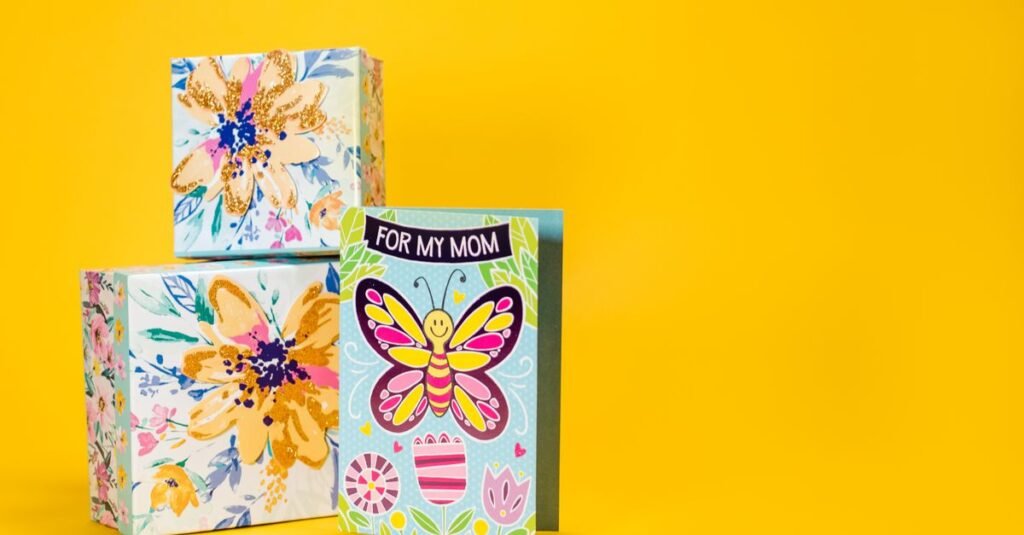
She started with two boxes of saved greeting cards, sitting on a closet shelf. She’d never read them — she’d just lift the lid and drop in new ones whenever they arrived. So she made herself read every single card one last time before letting the boxes go.
Most were signed by the sender, nothing more. A few had very short notes. But one old card from her parents had a longer, heartfelt, handwritten message from her mom, and a shorter, loving note from her dad. She’d completely forgotten it existed. Finding it was a genuine surprise.
Now that card lives in her nightstand drawer, in a heavy-duty sheet protector, so she can see the pretty cover art and the handwritten notes on the inside. By going through those hidden boxes, she uncovered a treasure she now actually cherishes — and processed some of the grief she’d still been carrying about losing her parents a few years earlier.
Letting go is powerful, and freeing. But only when you realize that holding on to everything just creates an unappreciated pile. In a pile, the treasures don’t get found. They’re inaccessible. They’re lost.
Your move
Start sorting. Take a picture if you need the record. Donate, sell, toss. Your stuff isn’t doing anyone any good stuffed in a box under the bed.
Instead of keeping every report card and drawing your kids bring home, choose a few and display them on a board that rotates monthly. A digital photo book preserves the memories too — or save a handful of items from each year for a real scrapbook. Don’t tell yourself you’re saving it all for them. They won’t want it all. Trust me.
If you journal, you might be keeping every page you’ve ever written. If you’re the type who vents on paper, you may not want anyone else reading those pages — maybe you should shred them. I keep a 5-year memory book that anyone in my house can read. Mine stays mine.
Parting with yearbooks, photos, and letters is hard. Donating the rocking chair that no longer fits or the camping gear you haven’t used in years can make you feel old. It’s a reminder that time is passing. But you have to let go of most of the past to make room for the future.
Don’t let guilt, obligation, or fear keep you weighed down. That’s not what the person you lost would want, is it? You can set the objects down, and the memories will stay. Trade your grief for love.
The one thing worth keeping: the card, the letter, the photo that made you gasp. Sort through it all, find the one item that still stops you mid-breath, and give it a place you can actually see it. Everything else is just stuff holding space. This is the one — done.
Do I really have to throw everything away? No — that’s the point. You keep the few things that still carry real feeling, and you let the rest go. The goal isn’t emptiness, it’s clarity.
What if I’m afraid I’ll forget? Take a picture before you let it go. A photo holds the memory just fine — and it takes up a fraction of the space.
Is it too late, or too soon, to sort through a loved one’s things? There’s no rule. Sort when your hands are steady enough. Even years later, the work still matters.
A note from the editor: Grief taught me that a shelf full of unopened things isn’t a tribute. It’s a hiding place. Open the boxes. Find the real thing. Then put it somewhere you can see.
Less shelf, more glow.
— Amelie