
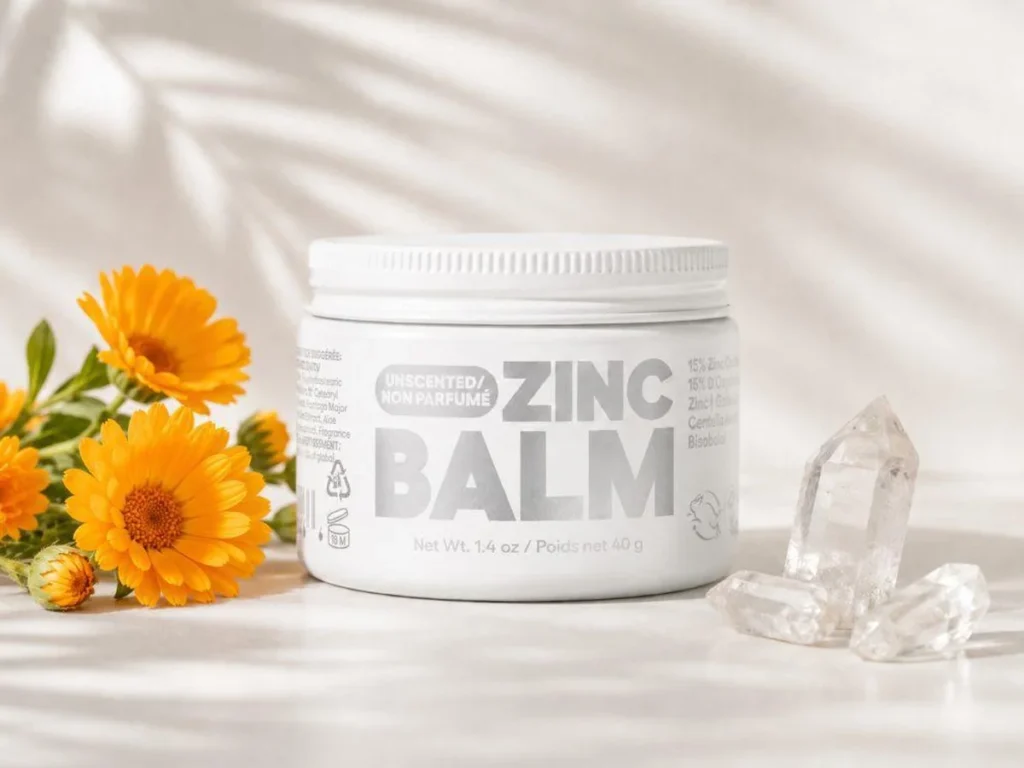
My phone had a white mask on it. Not my face — the phone, covered in screenshots of people slathering diaper cream on their face and neck before bed and calling it self-care. Face basting is the viral overnight hack where you apply a thick layer of zinc oxide cream as the very last step of your routine. It looks like a white mask. It feels heavy. It’s all over TikTok right now.
My editor brain went how insane is this? But I’ve tested enough launches to know hype when I smell it — and this one has actual receipts. So I dug in. The verdict: the trend is legit, but the products most people are buying are the wrong ones.
Why anyone is doing this to their face
Three reasons, and all three check out:
- It blocks water loss. A thick occlusive layer physically stops your skin from evaporating moisture overnight, so you wake up more hydrated.
- It calms. Zinc oxide is anti-inflammatory — it takes the edge off redness and irritation while you sleep.
- It locks in what’s underneath. The barrier traps your serums and actives on the skin longer instead of letting them evaporate.
Dermatologists have relied on zinc oxide’s soothing properties for decades, so the science here is solid. The problem is everything else in the tube.
The problem nobody on TikTok mentions
Every product I saw recommended for this trend was, literally, a diaper rash cream. That’s two problems in one jar.
First, diaper creams run 10–40% zinc oxide because they’re formulated for a baby’s bottom, not your face. That high concentration is exactly what gives you the thick, pasty, all-white mask — and it’s a lot for facial skin to sit under all night.
Second, a lot of these creams are built on bases of silicones, petroleum (paraffin, mineral oil), BHA, or synthetic fragrance — the same kind of ingredients that can trap bacteria under the skin or irritate the exact redness you’re trying to calm. If you’re going to do this trend, the product matters more than the trend itself.
The Edit: the one zinc balm that gets it right
The Edit: Zizia Botanicals Zinc Balm. This is the one — done. It’s 15% zinc oxide, the actual sweet spot for facial skin, built on a base of real plant oils and waxes (jojoba, squalane, sunflower seed wax) with zero silicones and zero petroleum. Bisabolol and allantoin do the work of calming redness and supporting your skin barrier, and it’s rounded out with a soothing plant extract lineup: centella, licorice root, calendula, and chamomile. Fragrance-free, so nothing in there is working against the calm you’re after.
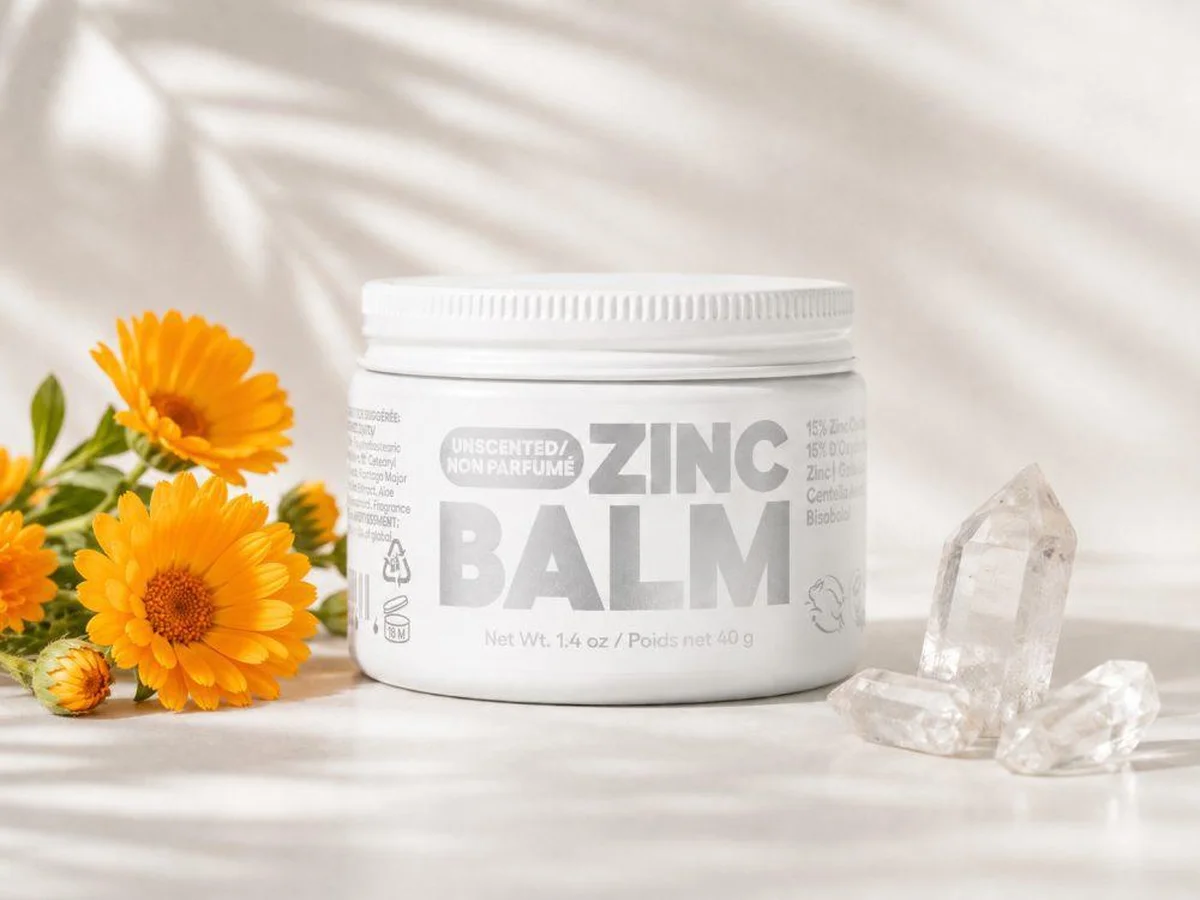
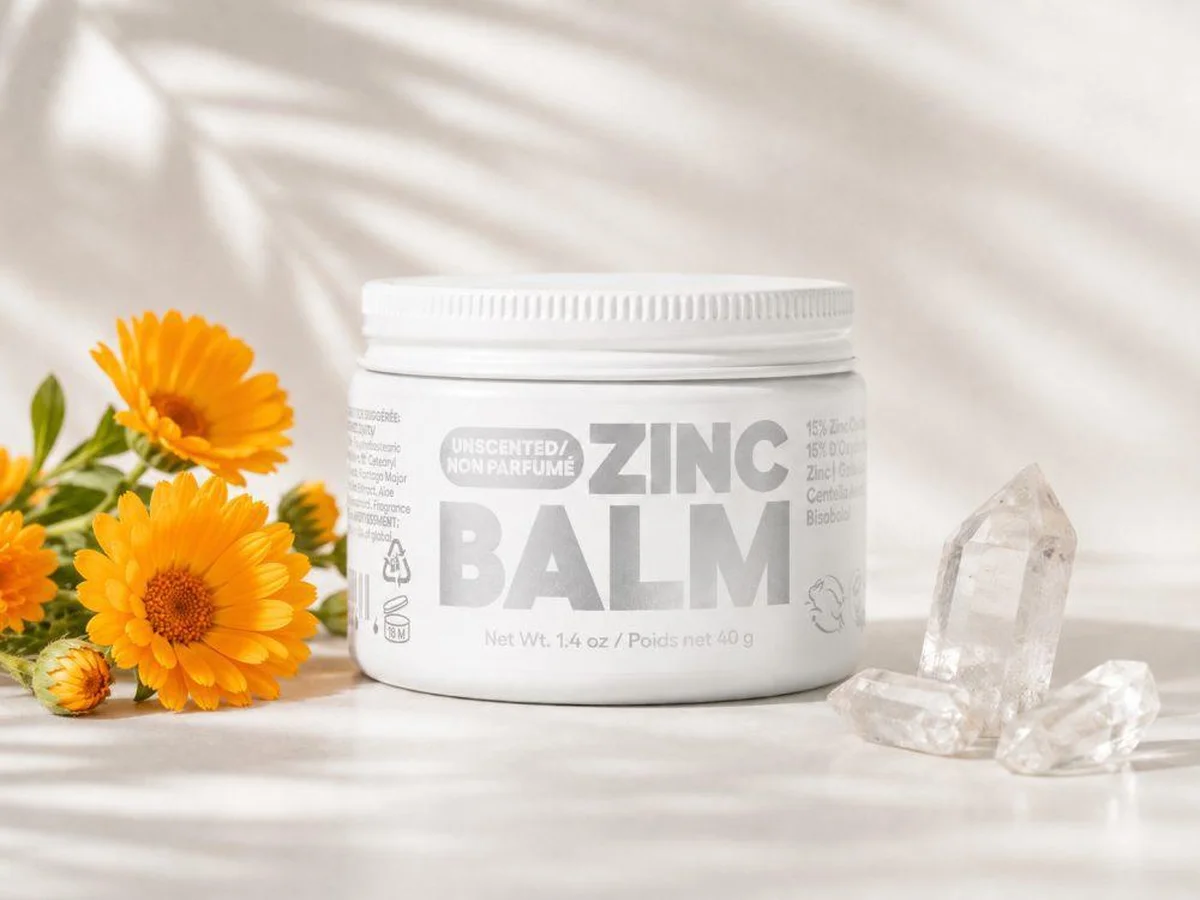
I was genuinely surprised how soft, calm, and glowy my skin looked the morning after. I’ve kept it on my shelf for a week now — my redness settled down and my skin stopped looking parched by noon.
How to do it (the part everyone skips)
Apply it as the very last step of your nighttime routine — after serums and moisturizer — as a thin-to-medium layer over your whole face and neck. Leave it on overnight and remove it in the morning.
New to it? Start with just your problem areas — dry patches, a red spot — before going all-in on a full-face treatment, so you can see how your skin responds first.
Now here’s the part that trips people up: removal. Zinc oxide is a mineral, so it’s not water-soluble. Water and a regular gel cleanser won’t fully break it down. Think of it like sunscreen removal — mineral sunscreen (also zinc oxide) needs an oil-based cleanser first, then a water-based one. Same deal here: an oil cleanser or cleansing balm first to dissolve the mineral and the plant oils and waxes in the balm, then a gentle water-based cleanser to wash everything away and reset your skin. Skip that and you’ll leave a thin residue of zinc and oils behind — which can trap the exact buildup you were trying to avoid overnight.
FAQ
Can I use regular diaper cream on my face?
You can — but most run 10–40% zinc oxide on petroleum or silicone bases, which is heavy and potentially irritating for facial skin. A facial-specific balm at around 15% is the safer bet.
Do I really need two cleansers to remove it?
Yes, if you want it off cleanly. Zinc oxide won’t dissolve in water. Oil first to break down the mineral and the balm, then a water-based cleanser to finish.
Will it clog my pores?
It can, if the base is full of silicones, petroleum, or synthetic fragrance. That’s the whole point of choosing a plant-oil-based formula — the minerals calm, the base shouldn’t clog.
a note from the editor — I’m not a doctor, but eight years of reading ingredient lists for a living taught me to trust the 15% and skip the diaper aisle. Your routine should be a capsule wardrobe, not a haul — and this is the one piece that earned a place in mine.
Less shelf, more glow.
— Amelie Rose